
"Tanzanian arabica"
500 article(s) found

Tanzania coffee bean flavor taste manor area introduces the characteristics of Tanzanian coffee beans
The most interesting thing to talk about about Tanzanian coffee beans (hereinafter referred to as TZ) is Kilimanjaro AA, followed by PB. Come out of these, no matter how much introduction about TZ is really very few. When Pangu came out, in 1898, bourbon coffee was introduced by Catholic priests to the Kilimanjaro region of Tanzania. And then there's K.

The Story of Tanzania Coffee Bean producing area the cooking and flavor characteristics of Tanzanian coffee bean
Professional coffee knowledge exchange more coffee bean information please follow the coffee workshop (Wechat official account cafe_style) Tanzania is a typical East African country, facing Kenya and Uganda to the north, Malawi, Mozambique and Zambia to the south and Rwanda and Burundi to the west. When it comes to Tanzanian coffee, we must mention the coffee produced in Mount Kilimanjaro. She's in Tansan.

Why do Tanzanian coffee beans in Africa have soft acidity and attractive aroma?
Tanzania's gourmet coffee bean-shaped berry coffee produces a lot of coffee and is said to be more fragrant than ordinary coffee. With soft acidity and attractive aroma, it is an absolutely worthwhile enjoyment. Coffee exports from Tanzania (Tanzania) play an important role in the whole national economy. Generally speaking, the coffee beans in Tanzania have an extraordinary quality. For example, near Kilimanjaro (K.
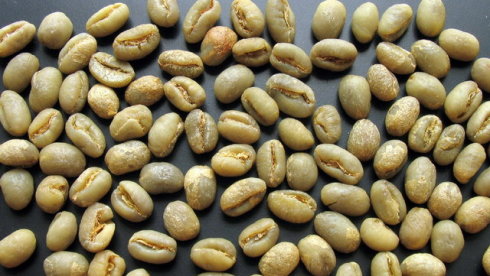
Tanzania Coffee Green Bean Kilimanjaro AA Black Plum Flavor Balanced Acidity Soft Mild
Political instability and pest infestation have disrupted Tanzania's coffee industry, leading to a decline in overall coffee levels and instability in quality, which in turn has led to lower prices, which usually result in further declines in the coffee industry. More notably, it is estimated that from 1969 to 1985 more than 12 per cent of the Arabica coffee grown in northern Tanzania was lost.

A brief introduction to the origin of round bean coffee in Tanzania in Africa A brief introduction to the flavor of Tanzanian coffee Kilimanjaro
Gourmet coffee has soft acidity and attractive aroma, which is absolutely worth enjoying. Coffee exports from Tanzania (Tanzania) play an important role in the whole national economy. Bean-shaped berry coffee is very productive and is said to be more fragrant than ordinary coffee. Generally speaking, the coffee beans in Tanzania have an extraordinary quality. For example, in the neighborhood of Kilimanja

Introduction to the flavor description of the varieties produced by the coffee farm in Arusha, Tanzania
After drinking Tanzanian coffee, I always feel a soft and mellow earthy smell around my mouth. Coffee gourmets often use words such as wild or wild to describe it. It can be said that pure Tanzanian coffee is the most African coffee. Usually its acidity is relatively mild, after the entrance, it evenly stimulates the taste buds in the middle and both sides of the back of the tongue, feeling a bit like the sour taste of tomato or soda.

Description of Tanzanian coffee flavor and characteristics of Tanzanian coffee beans
Following peaberry coffee (official Wechat account vdailycom) found that Tanzania Coffee has opened a small shop of its own. Tanzania Coffee (Tanzanian Coffee) is usually aromatic, slightly sour and full-bodied and refreshing, and its famous producing area is the Kilimanjaro Mountains in the northwest. Flavor: full-bodied and refreshing, with lower acidity than Kenya

What is the quality of coffee beans in Tanzania?
In the past, the coffee industry in Tanzania has been dominated by manor cultivation, but now more than 85% are grown by small farmers. Many small farmers are combined into cooperative organizations, the most important of which is the Kilimanjaro Cooperative Alliance (Kilimanjaro Cooperative Union, referred to as KNCU). Tanzanian coffee is auctioned by the Tanzanian Coffee Management Committee (Tan)

Introduction to the flavor and taste characteristics of boutique coffee beans in the fragrant coffee manor in Tanzania
Due to political instability and rampant diseases and insect pests, the coffee industry in Tanzania has been damaged, leading to a decline in the overall level of coffee and instability in quality, which in turn lead to lower prices, which are usually the result of a further decline in the coffee industry. What's more, it is estimated that more than 12% of the Arabica coffee grown in northern Tanzania from 1969 to 1985 has gone.

Fragrant Tanzanian coffee boutique coffee bean flavor manor production area introduction
The coffee beans are of extraordinary quality and are produced in the Mohi district near Mount Kilimanjaro. The mountain area with a height of 3,000 to 6,000 feet is the most suitable area for growing coffee. Fertile volcanic ash gives the coffee here a strong texture and soft acidity. It exudes delicate aromas and contains aromas of wine and fruit, giving people an aftertaste.

Washed Tanzanian Coffee in Jilimazaro Mountain Fire area
Tanzanian coffee is mostly washed. After picking, coffee farmers will send the coffee fruit to the nearest processing plant for processing. The treatment step of the water washing method is to screen and remove the impurities in the coffee fruit, then remove the coffee pulp and exocarp, send it into the fermentation tank, and remove the pectin layer from the inner pericarp by fermentation. Clean

Tanzanian coffee processed by washing Introduction Fine coffee beans
Tanzanian coffee is often washed, and coffee farmers will send the coffee fruit to the nearest processing plant for processing after picking. The washing method comprises the following steps: firstly, screening and removing impurities doped in coffee fruits; then removing coffee pulp and pericarp; sending the coffee fruits into a fermentation tank; removing pectin layer adhered to the pericarp through fermentation; and cleaning.

Tanzanian Coffee treated with Water to introduce Fine Coffee
Tanzanian coffee is mostly washed. After picking, coffee farmers will send the coffee fruit to the nearest processing plant for processing. The treatment step of the water washing method is to screen and remove the impurities in the coffee fruit, then remove the coffee pulp and exocarp, send it into the fermentation tank, and remove the pectin layer from the inner pericarp by fermentation. Clean

Coffee beans Tanzania PB coffee raw beans / Peaberry round beans
Most of the Tanzanian beans are grown in Mr. Kilimanjaro and Mt, near the northern Kenyan border. The Meru area, often called "Clemangaro", is occasionally named after the distribution center Moshi or Arusha. In addition, on the south side of the border, a little washed Arabica beans are produced to the nearby big city of Baya (

Boutique Coffee beans introduce Tanzania PB Coffee Raw beans / Round beans
Most of the Tanzanian beans are grown in Mr. Kilimanjaro and Mt, near the northern Kenyan border. The Meru area, often called "Clemangaro", is occasionally named after the distribution center Moshi or Arusha. In addition, on the south side of the border, a little washed Arabica beans are produced to the nearby big city of Baya (

High-quality coffee beans common sense Tanzania PB coffee raw beans
Most of the Tanzanian beans are grown in Mr. Kilimanjaro and Mt, near the northern Kenyan border. The Meru area, often called "Clemangaro", is occasionally named after the distribution center Moshi or Arusha. In addition, on the south side of the border, a little washed Arabica beans are produced to the nearby big city of Baya (

Tanzania PB coffee raw beans / Peaberry beans
Most of the Tanzanian beans are grown in Mr. Kilimanjaro and Mt, near the northern Kenyan border. The Meru area, often called "Clemangaro", is occasionally named after the distribution center Moshi or Arusha. In addition, on the south side of the border, a little washed Arabica beans are produced to the nearby big city of Baya (

Tanzania Coffee introduces boutique coffee beans the best quality coffee beans Tanzania coffee beans
Most of the Tanzanian beans are grown in Mr. Kilimanjaro and Mt, near the northern Kenyan border. The neighborhood of Meru, commonly known as Clemangaro, is occasionally named after Moshi or Arusha. In addition, on the south side of the border, a little washed Arabica beans are produced to the nearby big city of Mb.
Coffee from Tanzania, African flavor coffee beans, soft and sour.
Most Tanzanian beans are grown in the coffee-producing areas of Mount Mr.Kilimanjaro and Mt.Meru near the northern Kenyan border, often referred to as "Clemangaro" and occasionally named after Moshi or Arusha. In addition, a little water washing Arabica is also produced on the south side of the border.

Introduction to the description of the characteristics and flavor of Tanzanian coffee
The eastern coastal areas and inland lowlands of Tanzania have a savanna climate, while the western inland plateau has a tropical mountain climate, with an average temperature of 21-25 ℃ in most areas. More than 20 islands in Zanzibar have a tropical maritime climate, hot and humid all the year round, with an annual average temperature of 26 ℃. [6] rainfall types can be divided into bimodal distribution and unimodal distribution. Areas with double bee distribution of rainfall include